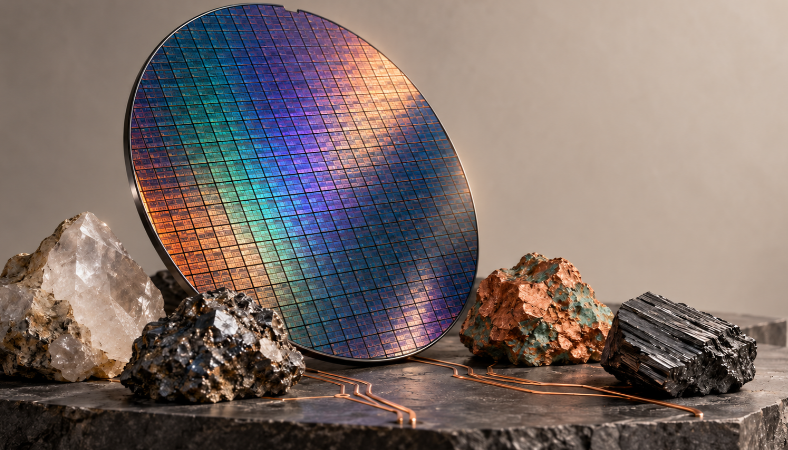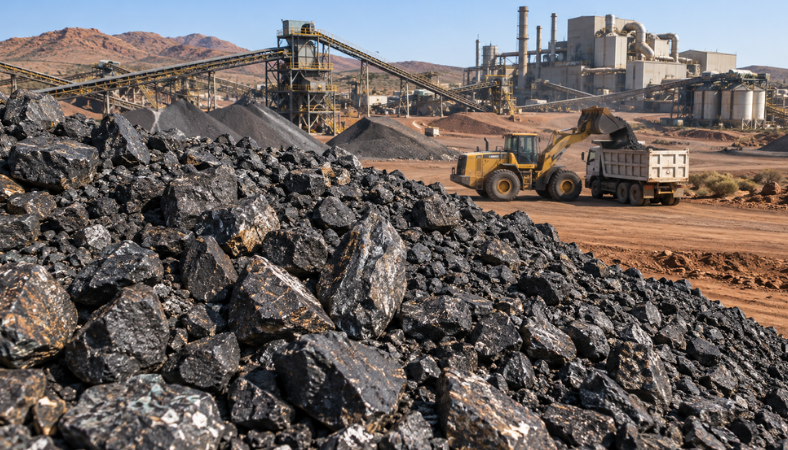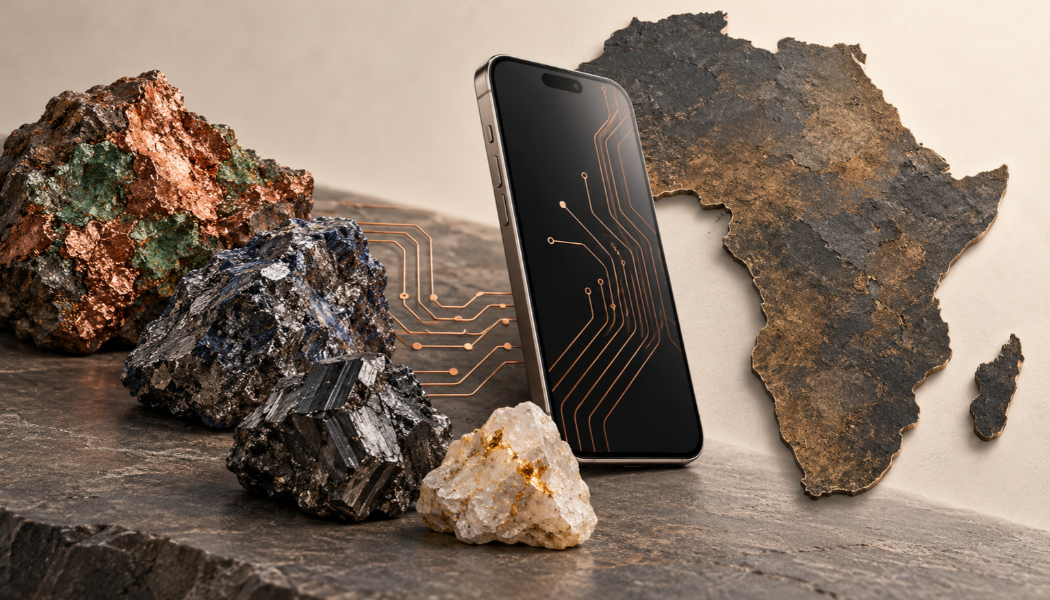
Your iPhone lights up. A message arrives, the device vibrates, and a battery small enough to fit in your hand keeps it running. Behind those familiar moments lies a less visible industrial story: minerals extracted from the earth, processed into usable materials and engineered into electronic components.
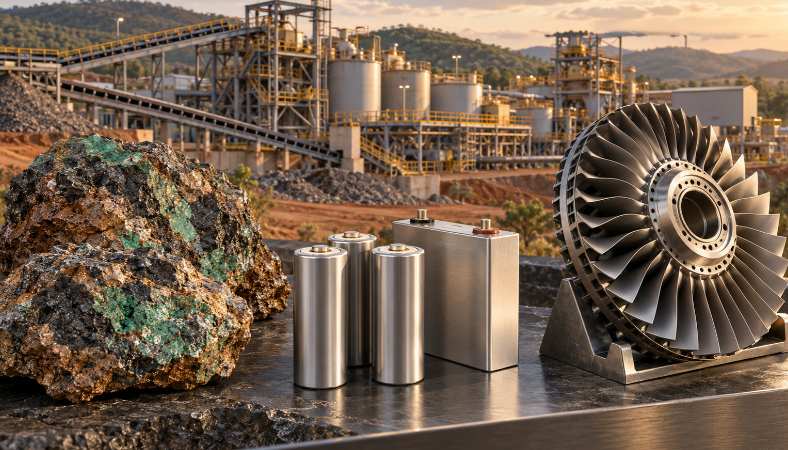
Africa is an important part of that story. The Democratic Republic of the Congo supplies cobalt and tantalum to global markets, the Copperbelt connects the DRC and Zambia to copper production, and Rwanda produces tin, tantalum and tungsten. These materials link African mining to the wider electronics economy. U.S. Geological Survey
However, a producing country is not automatically the source of the metal inside a particular iPhone. Supply chains change, components differ between models, and recycled materials increasingly enter production. Understanding African minerals in your iPhone therefore requires looking at both the technology and the journey behind its materials.
Which minerals connect African mining to iPhone technology?
Cobalt: the battery connection to the DRC
Cobalt is used in the chemistry of many rechargeable lithium-ion batteries, including smartphone batteries. Its importance places battery manufacturing firmly within the wider mineral supply chain. deq.nc.gov
The DRC holds a central position in primary cobalt supply. The U.S. Geological Survey’s 2024 country review estimates that it accounted for approximately 75% of global mined cobalt production and 55% of reserves that year. These measure different things: production is material extracted during a period, while reserves describe economically recoverable deposits under defined conditions. U.S. Geological Survey
That concentration explains why developments in Congolese mining matter to battery supply chains. It does not establish that a newly purchased phone contains newly mined Congolese cobalt, particularly where the model’s battery uses recycled material.
Copper: the electrical pathways behind the screen
Copper carries electrical current through smartphone wiring, connectors and circuit-board pathways. Its role is less visible than a camera or display, but the device depends on reliable electrical connections between its components. deq.nc.gov
The Central African Copperbelt spans southern DRC and northern Zambia. USGS geological research identifies it as one of the world’s important copper-producing regions. This makes the two countries significant to the broader supply of a metal used throughout electrical technology. U.S. Geological Survey
For African mineral suppliers, the commercial connection depends on what happens after extraction: producing a suitable concentrate or refined product, meeting customer specifications and delivering consistently.
Tantalum and coltan: small components with an important job
Tantalum is used in compact capacitors that store electrical charge and help stabilise voltage in electronic circuits. Coltan is a common name for columbite-tantalite ores, from which tantalum and niobium can be recovered. The ore itself is processed before its metals become electronic materials. deq.nc.gov
The DRC and Rwanda are important tantalum-producing countries. Their position in the global market helps explain Central Africa’s relevance to electronics manufacturing, although national output figures cannot identify the origin of a particular capacitor. U.S. Geological Survey
Tin and tungsten: joining components and creating vibration
Tin is used in solder that joins electronic components to circuit boards. Tungsten provides dense material suited to the moving mass in a phone’s vibration mechanism. The iPhone 17 environmental report confirms tin solder in its circuit boards and tungsten in its Taptic Engine, the component responsible for haptic feedback. deq.nc.gov
Both the DRC and Rwanda produce tin and tungsten. Their contributions belong within a global market, rather than an assumption that all smartphone solder or vibration components originate in these countries. U.S. Geological Survey
Platinum and palladium: Africa’s wider electronics connection
South Africa’s Bushveld Complex and Zimbabwe’s Great Dyke are major geological centres for platinum-group metals, including platinum and palladium. These metals connect African mining to a wider range of industrial uses. The USGS documents applications for platinum-group elements in integrated circuits, multilayer ceramic capacitors and display manufacturing. U.S. Geological Survey
Their presence in the electronics industry should not be treated as proof that both metals perform a particular function inside every iPhone. Claims about charging ports, temperature sensors or specific circuits require evidence for the component and model concerned.
How minerals travel from an African mine to a smartphone
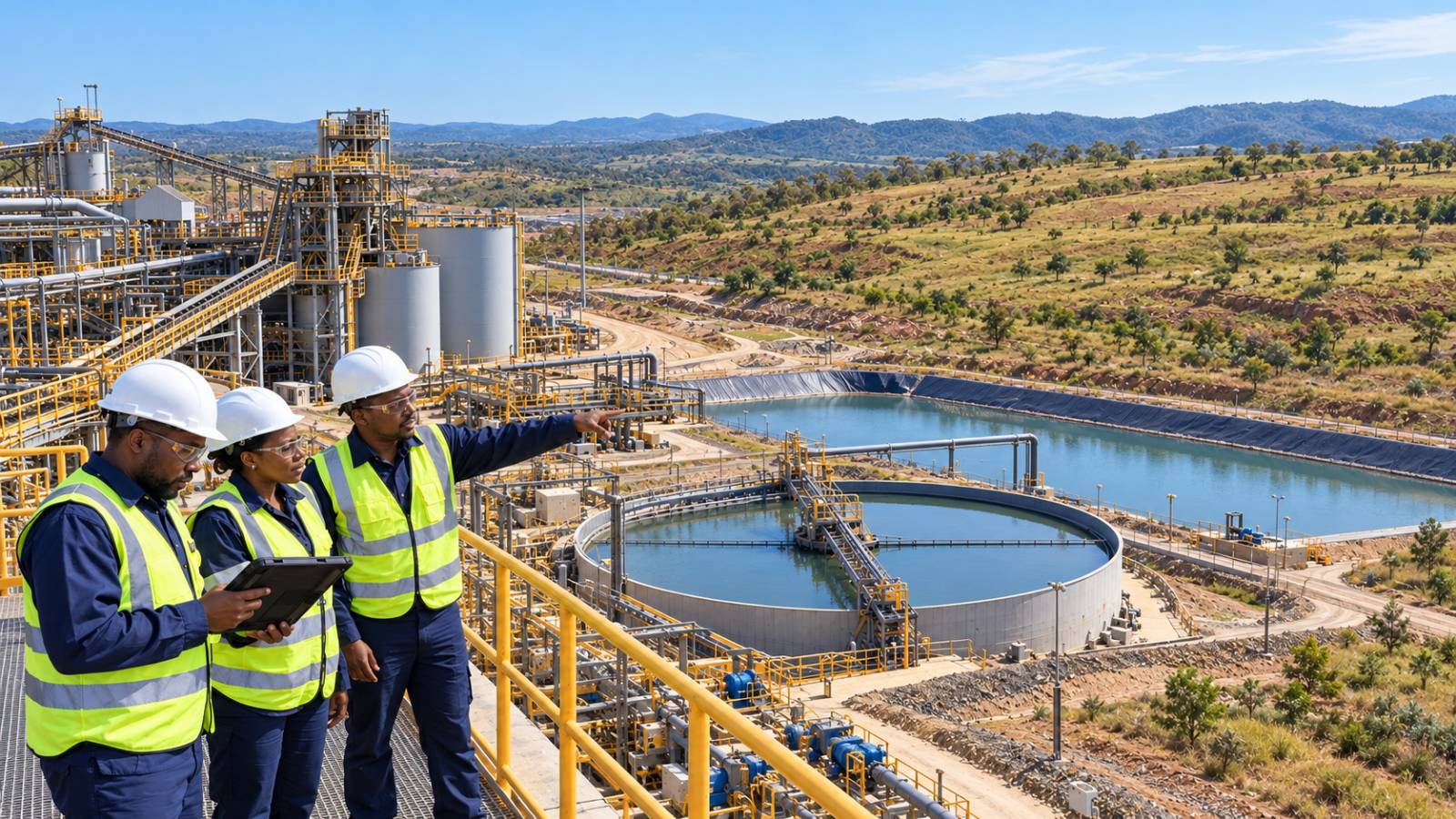
A mineral’s journey usually involves several stages. Depending on the material, mined ore is concentrated, smelted or chemically treated, refined and converted into the powders, wires, alloys or other products required by manufacturers. Component production comes before final phone assembly.
Processing also takes place within Africa. The USGS documents refined copper and cobalt intermediate production in the DRC, demonstrating that exports can leave the country at different stages of processing. It would be inaccurate to describe every shipment as untreated ore sent abroad. U.S. Geological Survey
Each transfer creates a need for reliable records. Mine origin, export country, refinery location and assembly country describe different stages of the journey. A shipping document naming an export destination does not, by itself, establish where the mineral was mined.
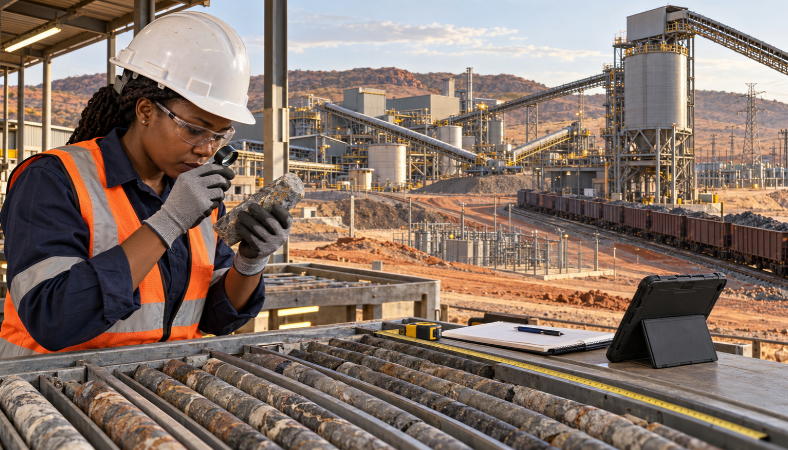
For buyers, this makes traceability part of product quality. Alongside an assay, a credible supply chain needs documentation connecting the material to its source and the parties that handled it.
Why conflict minerals and traceability matter
Tin, tantalum, tungsten and gold are commonly grouped as 3TG in responsible-sourcing rules. Mineral trade can finance armed groups or be associated with forced labour, corruption and other abuses. These risks require investigation of the actual supply chain; they do not mean every African mine or shipment is linked to conflict. policy.trade.ec.europa.eu
The distinction is especially important in an article about iPhones. The manufacturer’s 2024 conflict minerals report, filed in April 2025, states that suppliers were instructed in June 2024 to stop sourcing 3TG for its products, directly or indirectly, from the DRC and Rwanda. That dated disclosure is a further reason to avoid presenting these countries as confirmed current sources for a particular device. s203.q4cdn.com
Responsible sourcing involves ongoing checks rather than a single certificate. The OECD framework calls for identifying and assessing risks, responding to them, arranging appropriate independent audits and reporting on due diligence. Traceability supports that work, but documents must be tested against credible information about conditions along the supply chain. OECD
The European Union’s Conflict Minerals Regulation places obligations on covered importers of 3TG minerals and metals, with requirements applying since January 2021. Its scope should not be confused with a universal ban on African minerals or a guarantee that every finished smartphone has been individually certified. policy.trade.ec.europa.eu
Artisanal mining: livelihoods, safety and market access
Artisanal and small-scale mining raises questions about livelihoods as well as mineral supply. Its role needs to be understood alongside the conditions under which people work and how their production enters formal trade.
Small-scale mining is not automatically illegal or conflict-linked. The relevant questions concern working conditions, legal status, oversight and how minerals enter trade. OECD and United Nations research identifies formalisation and responsible integration into supply chains as potential routes to supporting livelihoods in conflict-affected areas. OECD
For African mining development, that points towards practical priorities: safer operations, documented sales, reliable sampling, effective oversight and access to legitimate buyers. Stronger standards should help distinguish responsible producers and address abuses where they occur.
How recycling changes the minerals inside an iPhone
Recycling already changes the relationship between a new phone and newly mined material. The September 2025 iPhone 17 environmental report states that the device uses 100% recycled cobalt in its battery, 95% recycled lithium in the battery, and 100% recycled tungsten and copper wire in its Taptic Engine. It also reports fully recycled tin for solder in the manufacturer-designed circuit boards and fully recycled gold for connector plating. apple.com
These percentages apply to the specified materials and components. They do not mean the entire device is made from recycled material. The same report puts overall recycled content at 30% of the device’s mass and describes recovery from both manufacturing waste and discarded products. apple.com
For Africa, the commercial implications extend beyond extraction. Collection, sorting, safe dismantling and metals recovery are possible areas for project development, subject to viable feed volumes, technical capability, environmental controls and customer demand. Recycled material still needs verification of its origin and processing history.
Africa’s opportunity in the technology mineral supply chain
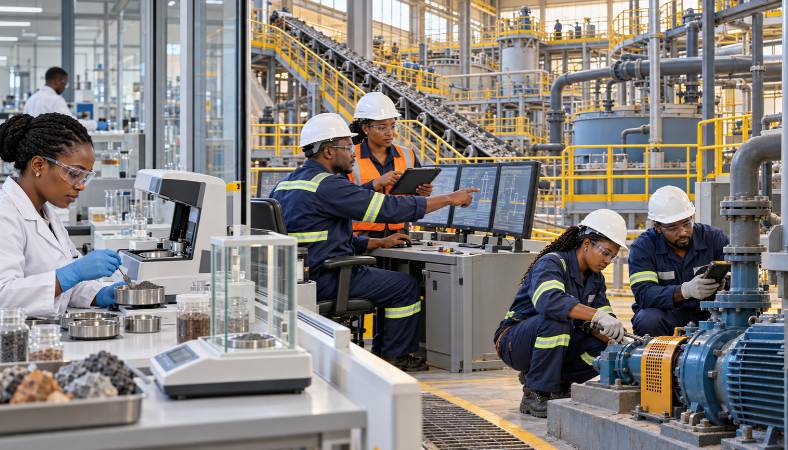
A mineral deposit is the beginning of an industrial opportunity. Turning it into a dependable source for electronics manufacturing requires product consistency, suitable processing, reliable infrastructure and documented supply.
For African entrepreneurs and investors, opportunities may lie in beneficiation, refining, laboratory services, logistics, traceability or recycling. Each needs its own commercial assessment. A resource becomes valuable to a manufacturer when it can be delivered in the required form, quality and quantity.
The next time your iPhone vibrates or its battery carries you through the day, there is a mining and materials story behind that experience. Africa’s role in that story reaches from major producing regions to the challenge of building responsible, competitive supply chains.
Explore AFRINOMICS Minerals Exchange to connect mineral supply and buyer requirements, with product specifications, origin and delivery terms clearly defined.