An artificial intelligence server answers a question. An electric vehicle manages its power. A smartphone processes a photograph. Behind each action is a semiconductor, and behind semiconductor manufacturing is a demanding supply chain of minerals, purified materials and precision engineering.
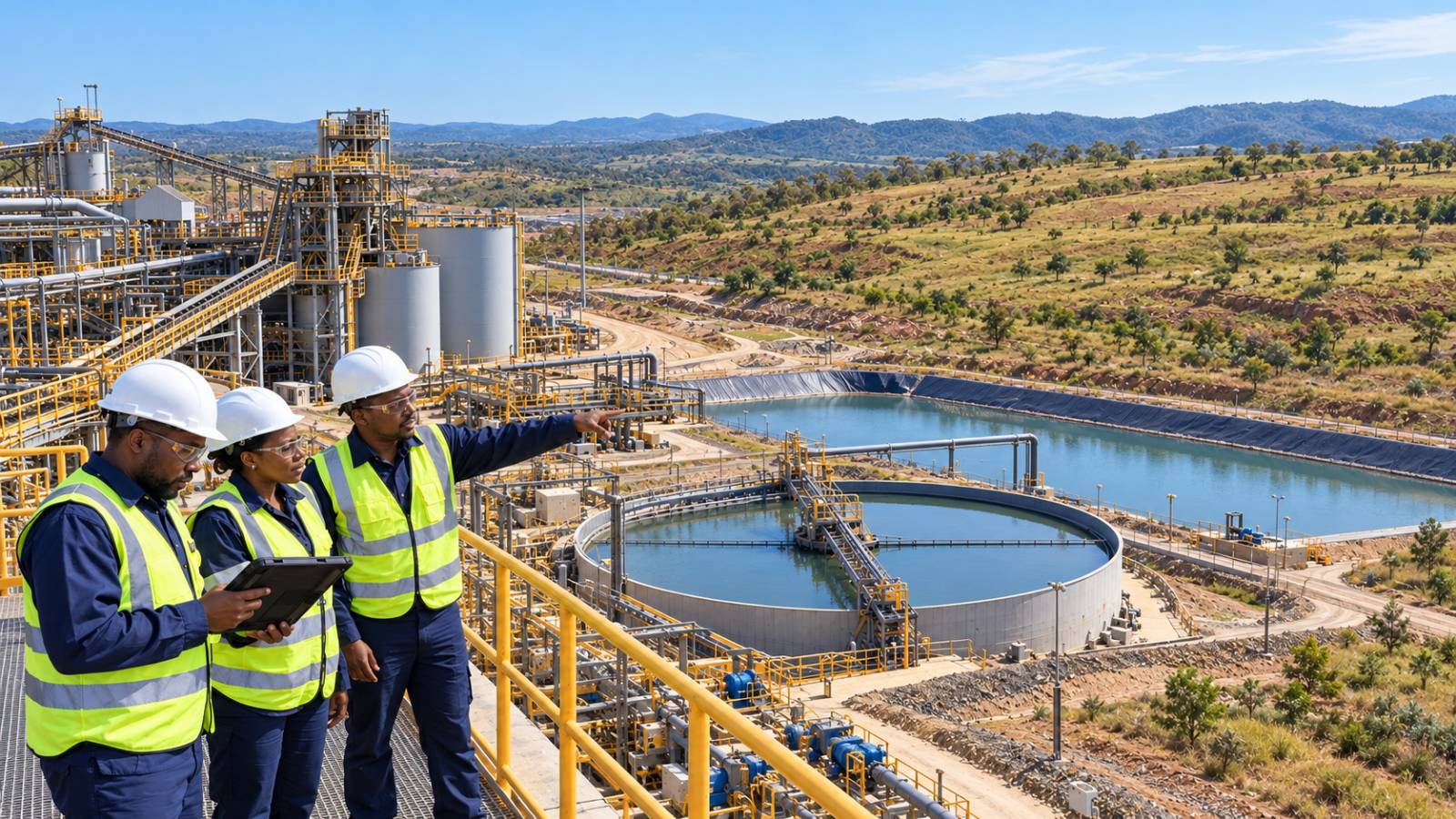
African mining connects to that supply chain through metals such as cobalt, tantalum, copper and platinum-group elements. The Democratic Republic of the Congo, Rwanda, Zambia and South Africa hold important positions in the production or geology of these materials. Their relevance to chipmaking depends on the processes that transform mineral output into qualified industrial inputs. Sources: USGS DRC, Rwanda, Copperbelt research and platinum-group elements.
For semiconductor companies, the challenge extends beyond access to ore. Materials must meet precise specifications, perform consistently and arrive through dependable supply chains. For African producers, this creates an opportunity to compete on processing capability and verified quality as well as mineral availability.
Which African minerals matter for semiconductor manufacturing?
Cobalt: a role inside chips as well as batteries
Cobalt's connection to technology extends beyond rechargeable batteries. Semiconductor process documentation describes its use in certain transistor contacts and local interconnects, the tiny connections that carry current within a chip. In suitable designs, cobalt helps address resistance and reliability challenges as these structures become smaller. Source: semiconductor interconnect engineering documentation.
The DRC is a major source of primary cobalt. The U.S. Geological Survey's 2024 country review estimates that it produced approximately 75% of the world's mined cobalt that year. This figure concerns total mine output across all end uses; it does not measure the share consumed by semiconductor manufacturing. Source: USGS.
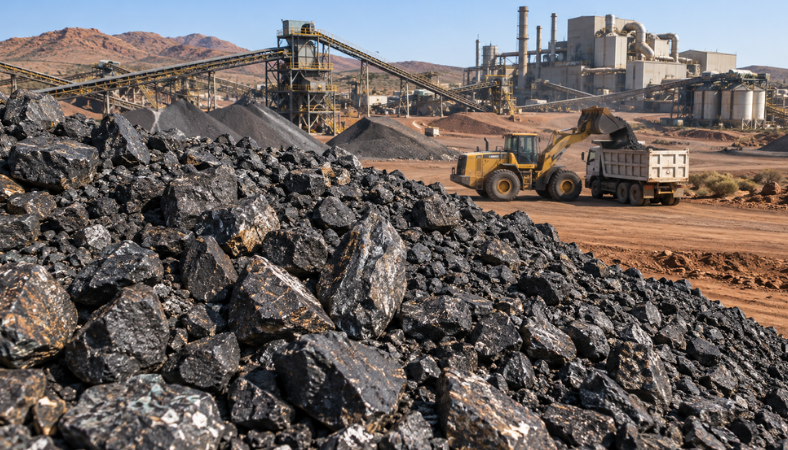
The commercial link runs through specialised processing. Cobalt ore or an intermediate product is not interchangeable with the materials used to deposit controlled films inside a semiconductor factory.
Tantalum: protective barriers and electronic components
Tantalum has a direct semiconductor role through tantalum-based barrier materials. Tantalum nitride is used in copper interconnect processes to help prevent unwanted diffusion into surrounding materials. Separately, tantalum is used in capacitors within the wider electronics industry. These are distinct applications. Sources: interconnect process documentation and geological survey electronics guide.
The DRC and Rwanda are important tantalum producers. Their mineral output contributes to global supply, but identifying a producing country does not prove that a particular chip factory purchases material from it. That connection requires evidence through traders, processors and qualified materials suppliers. Sources: USGS DRC and Rwanda.
Copper: connecting the chip and its package
Copper plays an important role in chip wiring and semiconductor packaging. Its use ranges from interconnect structures within integrated circuits to connections that help link a chip to the surrounding electronic system. The precise materials and connection methods vary by technology. Sources: chip wiring documentation and packaging interconnect documentation.
The Central African Copperbelt spans southern DRC and northern Zambia. This major copper-producing region connects African mining to the wider electrical materials market. Supplying semiconductor applications requires further refining, fabrication and customer qualification beyond producing a saleable copper product. Source: USGS Copperbelt research.
Palladium and ruthenium: specialised uses for platinum-group metals
Platinum-group metals have different functions across electronics. Palladium-coated copper wire is one established option in semiconductor wire bonding, a packaging process used to make electrical connections to a chip. That is a more specific application than treating every platinum-group metal as indispensable to every semiconductor. Source: packaging interconnect documentation.
Ruthenium also has a documented role in advanced chip wiring. A July 2024 equipment announcement described a ruthenium-cobalt liner technology for copper interconnects. Separate research presented in December 2024 explored ruthenium as an alternative conductor in very narrow interconnect structures. The production technology and research demonstration represent different stages of development. Sources: July 2024 technology announcement and December 2024 research announcement.
South Africa's Bushveld Complex and Zimbabwe's Great Dyke are major geological centres for platinum-group metals. Their significance creates a connection to advanced materials markets, while the actual sourcing of an individual metal must be established separately. Source: USGS.
Quartz, silicon and graphite: different materials, different opportunities
From quartz to a silicon wafer
Quartz and silicon should not be treated as interchangeable commodities. Quartz is silicon dioxide, while silicon metal is produced through industrial processing. Further purification is required to produce silicon suitable for semiconductor applications. Source: USGS silicon overview.
Wafer production then involves growing a high-purity crystal, slicing it and preparing an exceptionally controlled surface on which circuits can be manufactured. A quartz deposit is therefore several industrial stages away from a finished silicon wafer. Source: wafer manufacturing guide.
High-purity quartz also has a separate use in fused quartz crucibles for semiconductor manufacturing. The USGS identifies very low impurity levels as central to these demanding applications. For an African quartz project, laboratory characterisation and processing trials must establish suitability for the intended market; a high bulk silica percentage alone is not a customer qualification. Source: USGS silica overview.
Graphite: supporting the manufacturing process
Specialty graphite is used in equipment for semiconductor crystal growth and wafer processing. Applications include heaters, insulation and components that support wafers during high-temperature processing. These uses depend on purity, dimensional control and performance in demanding environments. Source: semiconductor graphite technical documentation.
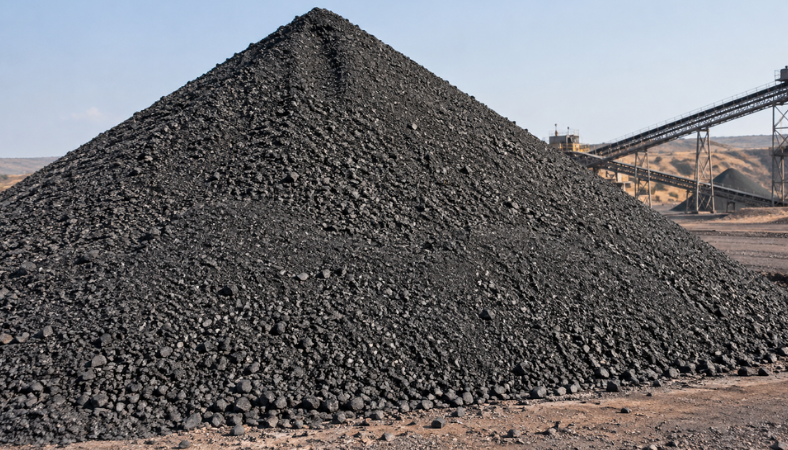
Mozambique and Madagascar produce natural graphite, but natural graphite concentrate is not the same product as a qualified semiconductor furnace component. Specialty components can use synthetic graphite and require additional forming, purification, machining or coating. African graphite opportunities must be assessed against the intended product and processing route. Sources: USGS Mozambique, Madagascar and specialty graphite manufacturing.
Why mineral wealth does not automatically create a chip industry
Mining, refining, specialty-material production, wafer fabrication and chip packaging are separate industrial activities. Moving from one stage to another requires suitable technology, skills, infrastructure, quality systems and customers.
Africa's mineral industry already includes processing. The USGS documents refined copper and cobalt intermediate production in the DRC, so describing the continent as exporting only untreated ore would miss existing industrial capacity. Source: USGS DRC review.
The next step towards semiconductor supply is often a more demanding product specification. A processor must demonstrate that it can repeatedly deliver the required material, manage contamination and maintain documented control over production.
For investors, this changes the question from how much mineral a deposit contains to which saleable product the project can reliably produce. A viable beneficiation plant needs a defined customer market and a credible route to qualification.
Where semiconductor supply chains can become vulnerable
Concentrated mining supply is one source of risk. Refining capacity, specialised conversion technology and the number of qualified suppliers can create additional constraints.
As a practical implication, opening another mine does not necessarily remove a shortage further along the chain. Material may still need to pass through the same limited processing route before a customer can use it. Similarly, a new transport corridor helps move products, but does not establish their technical suitability.
Supply planning should therefore examine the complete route from origin to usable material. Product specifications, processing capacity, delivery reliability and responsible-sourcing evidence all matter.
The OECD's mineral guidance addresses risks across the supply chain, including conflict financing, serious human rights abuses and financial crime. Traceability supports this assessment, alongside investigation and action on identified risks. Source: OECD responsible mineral supply chains.
Namibia's beneficiation policy and the push for local value addition
Namibia illustrates the policy interest in retaining more mineral value locally. The International Energy Agency records June 2023 restrictions on exports of specified unprocessed critical minerals, including lithium, cobalt, manganese, graphite and rare earth elements, linked to the country's beneficiation strategy. Source: IEA policy record.
This should not be interpreted as a universal requirement to turn every mineral into a finished technology product. Namibia's official trade portal also sets out mineral export permission requirements. The applicable conditions need to be established for the commodity, product form and proposed shipment. Source: Namibia Trade Information Portal.
For a processing project, policy support is one part of the commercial case. Reliable electricity, workable water arrangements, suitable technology, operating skills and a buyer for the output remain necessary considerations.
Africa already has semiconductor capabilities to build on
Africa's participation extends beyond mineral extraction. Morocco's industry ministry has documented semiconductor assembly and testing at Bouskoura, including silicon-carbide power devices used in electric vehicles. This demonstrates participation in a specific manufacturing stage, rather than proof of a complete domestic chip supply chain. Source: Morocco Ministry of Industry and Trade.
In South Africa, the University of Pretoria describes research in integrated-circuit design and silicon-based semiconductor devices. Such capabilities provide a foundation for skills development and specialised research, while remaining distinct from large-scale commercial wafer fabrication. Source: University of Pretoria.
These examples suggest several routes for industrial development. Materials processing, design, assembly, testing and research can each be assessed on their own merits. A credible strategy identifies the capabilities already available and the customers a proposed expansion would serve.
International partnerships are targeting mineral supply and industrial development
The European Commission records raw-material partnerships with Namibia, the DRC, Zambia, Rwanda and South Africa. These agreements show the strategic interest in African mineral supply, although their objectives and implementation differ. Source: European Commission partnership register.
The EU-Namibia partnership signed in November 2022 includes cooperation on investment, infrastructure, skills, research and sustainable raw-material value chains. These commitments are relevant to industrial development, but do not by themselves establish a financed semiconductor factory or an operating processing plant. Source: European Commission.
For African businesses, the practical opportunity is to develop projects that turn such objectives into deliverable products and services.
What this means for African mineral suppliers and investors
The opportunity in African minerals for semiconductor manufacturing begins with understanding the customer's actual requirement. A buyer may need a concentrate, refined metal, chemical precursor, manufactured component or specialist service. Each involves a different level of processing and qualification.
Suppliers should establish product specifications, consistent quality, traceable origin and realistic delivery capacity. Investors should examine whether the proposed technology can achieve the required product at an acceptable cost, and whether a credible customer qualification route exists.
Africa's mineral resources connect the continent to the future of computing. Capturing more of that opportunity will depend on converting geological potential into materials and services that advanced manufacturers can confidently use.
Explore AFRINOMICS Minerals Exchange for mineral supply and buyer requirements, with product quality, origin, processing stage and delivery terms clearly defined.